Shrimp processing, planned around your operation
Define batch size, incoming temperature, handling time and the required cooling endpoint.
See a shrimp handling step
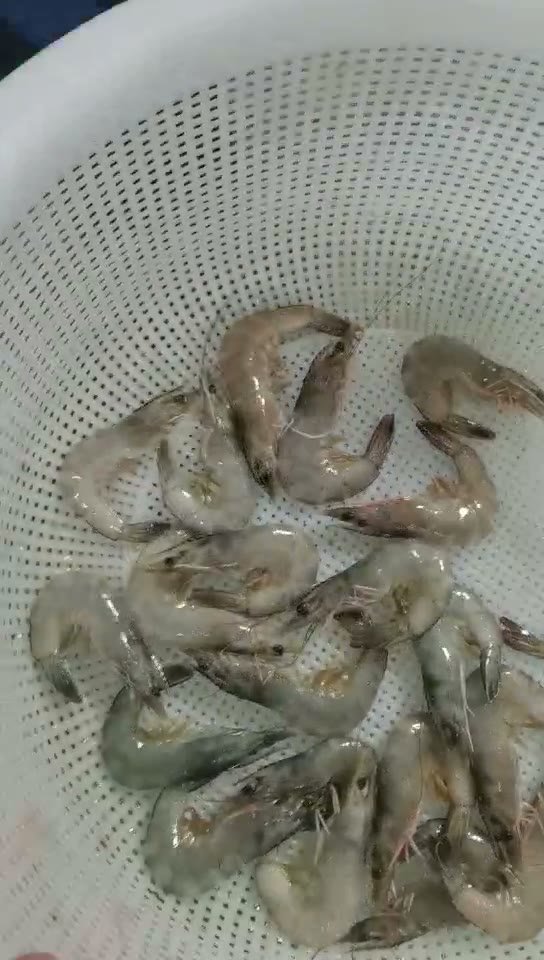
A basket of shrimp is shown close to the camera, then lowered into the milky liquid in a tank. This short sequence illustrates a contact step. Use it to discuss basket dimensions, batch loading, contact time and drainage when planning your own process.
Product temperature, cooling rate and shelf life need measurements from an agreed trial; appearance alone does not establish those results.

Which stage needs cooling?
Identify whether the application is harvesting, receiving, temporary holding or an intermediate processing stage. Record the product condition at that point and the next operation. This is more useful for selecting equipment than a general daily production target.
Buyer questions
What should a pilot compare?
- Starting product condition and temperature.
- Batch loading, ice fraction and contact time.
- Temperature measured at an agreed sampling point.
- Handling, water and cleaning procedures.
- Quality criteria agreed with the processing team.
Does slurry ice replace hygiene controls?
No. Evaluate process water suitability, cleanable contact surfaces, drainage, separation of batches and cleaning procedures as part of the plant’s existing controls. Do not infer food safety or product quality from a visual demonstration alone.
How should I plan production peaks?
Describe the largest batch and time between batches. Generation can be reviewed alongside usable slurry storage, mixing and the distribution system. Ask for an output basis that specifies ice concentration and operating conditions.
Prepare an equipment discussion
Send the shrimp species, handling stage, batch schedule, temperatures and utility details. Discuss the process with Roy and review the GTM equipment range.