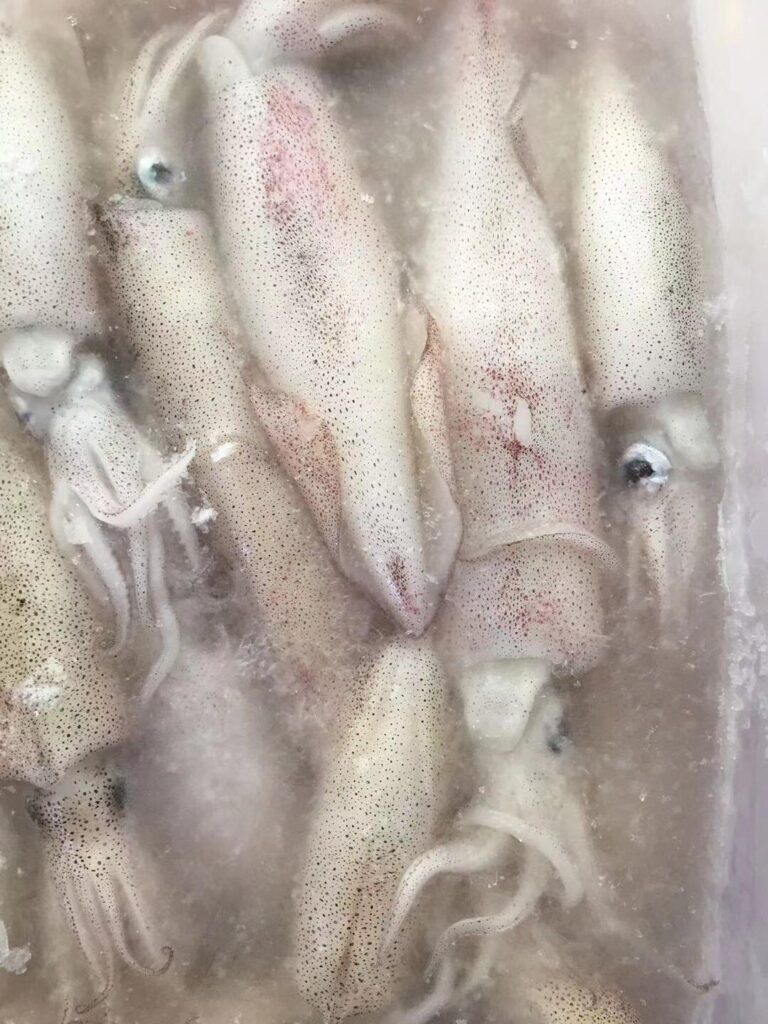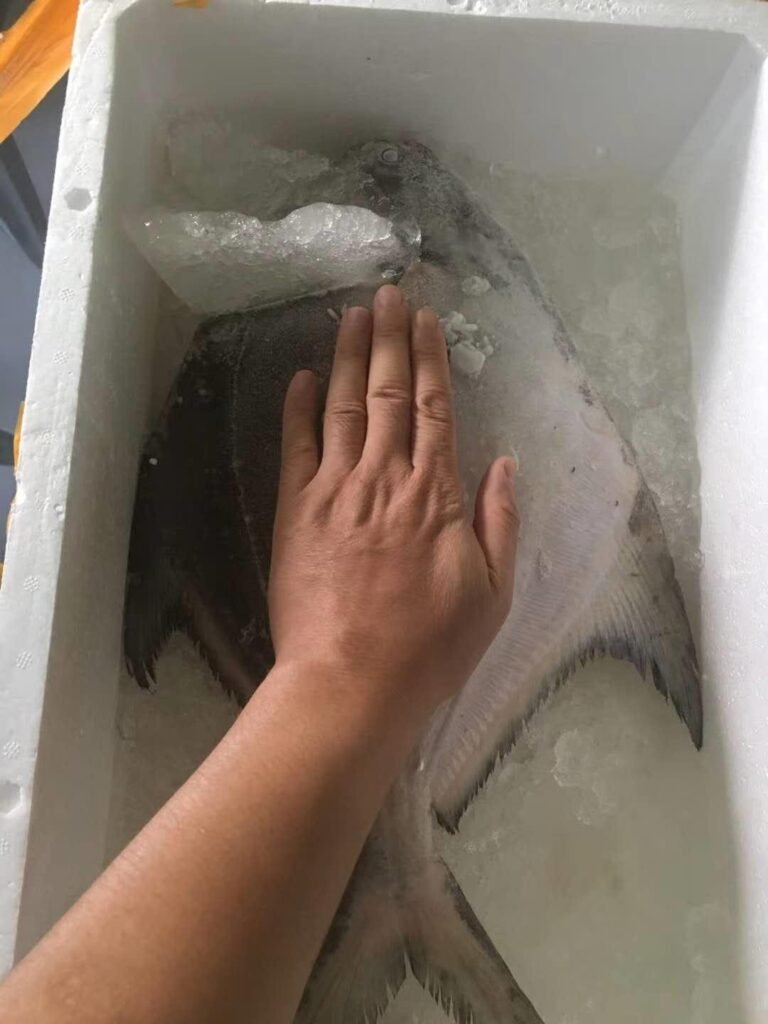
Seafood chilling, planned around your operation
Match ice generation, storage and distribution to species, incoming temperature and peak handling demand.
Where does the equipment fit?
- Onboard fishing vessels: review available space, seawater and power before choosing equipment.
- Landing and receiving sites: assess peak unloading demand and the distance to the point of use.
- Shrimp and seafood processing: plan around batch size and process temperature targets.
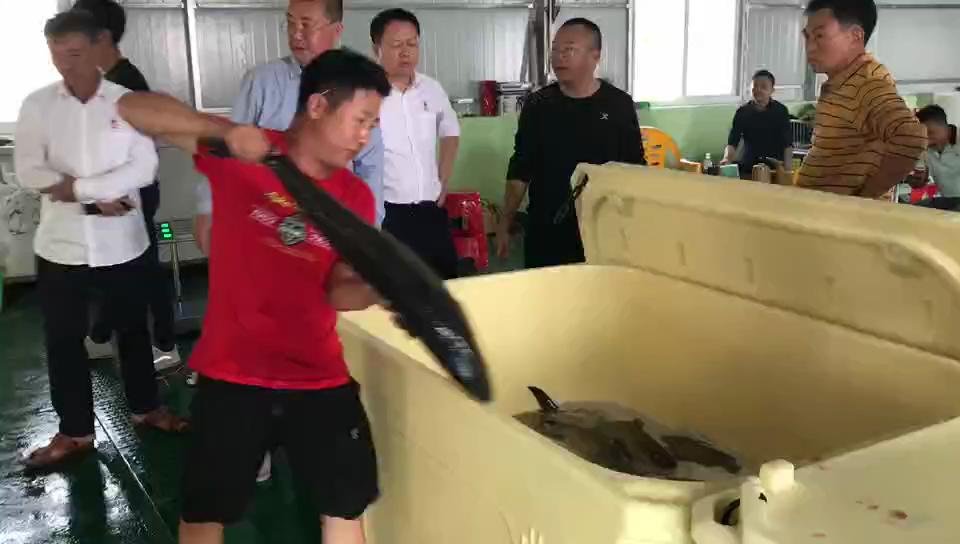
What does a seafood handling step look like?
Watch an 11-second shrimp basket demonstration and review the questions that matter for batch handling. The footage illustrates a process step; the temperature history and quality criteria for your product belong in the trial plan.
What determines cooling demand?
Daily throughput alone is insufficient. A concentrated unloading period can require a different combination of generator capacity and storage from the same volume spread over a working day. Record incoming temperature, intended final temperature, contact time and heat entering through tanks or pipework.
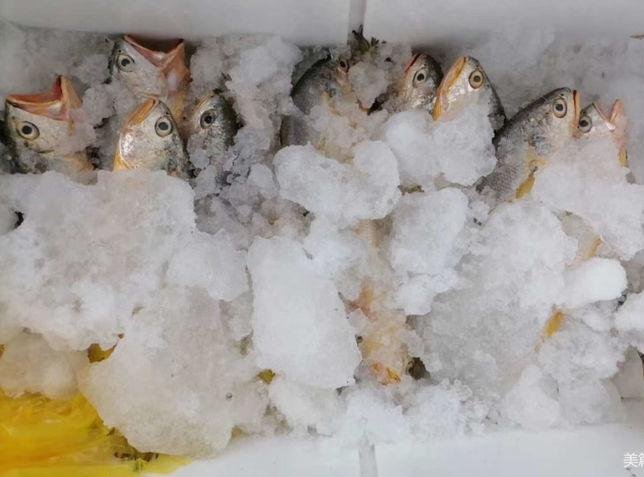
How should hygiene be considered?
Specify the suitability of process water, contact materials, drainage, cleaning access and procedures. Ice generation does not replace a food safety program. Evaluate the handling system with your technical and food safety team, including any salinity or product-quality constraints.
What should I send with my enquiry?
| Input | Useful detail |
|---|---|
| Product | Species, whole or processed, typical batch size |
| Temperature | Incoming product and water temperatures; required endpoint |
| Demand | Hourly peak, shift duration and storage buffer |
| Installation | Onboard or land based, available space, power and water source |
Will slurry ice extend shelf life by a fixed number of days?
No fixed result should be assumed from an equipment choice. Species, handling, initial condition, temperature history and hygiene all affect product quality. Define a trial and measurement method for your own operation.
Next: compare the GTM equipment range or send a seafood project enquiry.
One model range, configured for the process
Compare all five GTM machines, with catalogue ratings from 2 to 12 t/day. The same base model specifications also support custom cleaning equipment, with process-specific water, pumping and controls.